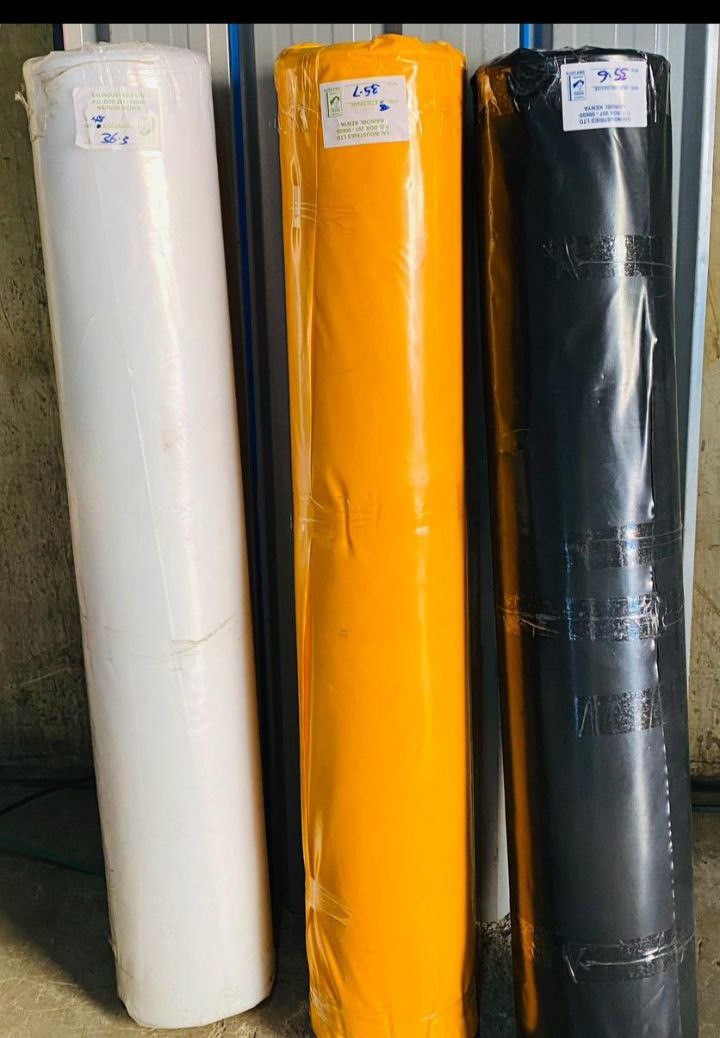
silage roll
Our Silage Roll (1200 Gauge, 35 Kgs) is a brand new premium-quality specifically designed for silage making and fodder preservation. Manufactured with extra strength and UV resistance, it provides an airtight seal that prevents spoilage, ensuring nutritious and long-lasting animal feed. The heavy-duty 1200 gauge thickness makes it durable against punctures and tearing, while the 35 kg weight ensures adequate coverage for large-scale silage storage. Perfect for farmers looking for reliable silage protection, this roll is easy to handle, cut, and wrap around silage pits or bales.
The Complete Guide to Silage Rolls: Silage Wrapping, Feed Preservation, and Choosing the Best Silage Storage Solutions for Dairy and Livestock Farmers
Silage production has become one of the most reliable methods of preserving livestock feed, allowing farmers to maintain a consistent supply of nutritious forage throughout the year. Whether you keep dairy cattle, beef cattle, sheep, goats, or other ruminants, preserving forage during periods of abundance ensures your animals continue receiving high-quality nutrition during dry seasons, droughts, or periods of low pasture availability.
Among the many materials used in silage making, the silage roll is one of the most effective and versatile solutions for preserving chopped forage. Designed as a long, heavy-duty plastic tube, a silage roll creates an airtight environment that promotes proper fermentation while protecting feed from oxygen, moisture, and contamination.
At Masters Hardwares, farmers can obtain high-quality Silage Roll products alongside practical silage storage solutions such as the 200–250kg Silage Bag and the larger 400–450kg Silage Bag. Together, these products provide flexible storage options suitable for farms of all sizes.
Whether you are searching for the best silage roll in Kenya, looking for silage wrapping materials, comparing silage storage solutions, or learning how to preserve maize and Napier grass successfully, this guide explains everything you need to know.
What You Will Learn
- What a silage roll is
- How silage rolls preserve livestock feed
- Why oxygen is the biggest enemy of silage
- Why heavy-duty 1200 gauge silage film matters
- Understanding 35kg and 40kg silage rolls
- How to use silage tubing correctly
- The difference between silage rolls and silage bags
- Choosing between 200kg and 400kg silage bags
- Best practices for successful silage fermentation
- Common mistakes farmers should avoid
- Frequently asked questions about silage rolls and silage bags
AI Overview: What Is the Best Silage Roll for Livestock Feed Preservation?
The best silage roll should provide an excellent oxygen barrier, resist punctures during handling, withstand long-term outdoor storage, and create an airtight environment that supports anaerobic fermentation.
The Silage Roll supplied by Masters Hardwares is manufactured as a heavy-duty 1200 gauge silage tubing, making it suitable for demanding agricultural applications. The tubing is commonly supplied in 35kg and 40kg rolls, although other sizes are available depending on farming requirements.
When combined with proper forage preparation, thorough compaction, and airtight sealing, a quality silage roll helps preserve nutrients, reduce spoilage, and improve livestock productivity throughout the year.
Why Silage Preservation Matters
Livestock production depends heavily on consistent access to quality feed.
Unfortunately, forage production changes throughout the year because of:
- Seasonal rainfall
- Drought
- Climate change
- Limited grazing land
- Rising feed costs
Without proper preservation, farmers often experience severe feed shortages that affect:
- Milk production
- Growth rates
- Fertility
- Animal health
- Farm profitability
Silage production allows farmers to harvest forage at its peak nutritional value and preserve it for future use.
Instead of relying on expensive commercial feeds during dry periods, properly prepared silage provides livestock with nutritious forage that maintains much of its original feeding value.
What Is a Silage Roll?
A silage roll, sometimes called silage tubing, silage wrapping film, silage plastic roll, or silage packaging film, is a continuous heavy-duty plastic tube specifically manufactured for preserving chopped forage under airtight conditions.
Unlike ordinary plastic sheets or sacks, silage rolls are designed to:
- Exclude oxygen
- Resist punctures
- Maintain structural strength
- Support long-term fermentation
- Protect feed quality
After forage is compacted inside the tubing and both ends are sealed tightly, naturally occurring lactic acid bacteria begin the fermentation process that preserves the feed.
This oxygen-free environment is the key to producing high-quality silage.
Why Oxygen Is the Biggest Enemy of Silage
One of the most common causes of silage failure is oxygen.
Whenever oxygen enters stored forage, several problems begin almost immediately.
These include:
- Mold growth
- Heating of the silage
- Nutrient losses
- Protein degradation
- Reduced digestibility
- Lower feed intake
- Reduced milk production
- Increased spoilage
For this reason, successful silage production depends on creating and maintaining an anaerobic environment.
This is precisely what a quality Silage Roll is designed to achieve.
Understanding Anaerobic Fermentation
Silage preservation relies on anaerobic fermentation.
This natural biological process occurs when beneficial bacteria consume plant sugars and convert them into organic acids.
These acids lower the pH of the forage, preventing harmful microorganisms from growing.
Successful fermentation depends on four important conditions:
- Proper moisture content
- Good forage quality
- Thorough compaction
- Complete oxygen exclusion
If any of these conditions are missing, silage quality declines significantly.
The Masters Hardwares Heavy-Duty Silage Roll
The Silage Roll available from Masters Hardwares has been selected to meet the demanding requirements of livestock farmers.
Key Features
- Heavy-duty 1200 gauge construction
- Excellent oxygen barrier
- Strong puncture resistance
- Suitable for long-term silage storage
- Designed for maize, Napier grass, sorghum, oats, and mixed forage crops
- Suitable for dairy, beef, sheep, and goat farming
Heavy-gauge construction is particularly important because silage undergoes pressure during compaction and remains stored for extended periods.
A stronger film reduces the risk of punctures that could allow oxygen to enter.
Understanding Roll Sizes
Silage tubing is commonly supplied according to weight.
The most popular options include:
- 35kg silage roll
- 40kg silage roll
Other roll weights are also available depending on production requirements.
A useful guideline is:
Approximately one kilogram of silage tubing provides about two metres of tubing length.
This means that:
| Roll Weight | Approximate Tubing Length |
|---|---|
| 35kg | Approximately 70 metres |
| 40kg | Approximately 80 metres |
Actual lengths may vary slightly depending on the manufacturer and film thickness.
This allows farmers to estimate how many silage units can be produced from each roll before purchasing.
Why 1200 Gauge Matters
One specification that many farmers overlook is the film gauge.
The Masters Hardwares Silage Roll is manufactured using 1200 gauge heavy-duty film.
This offers several important advantages.
Improved Strength
Heavy-gauge film withstands greater pressure during filling and compaction.
Better Puncture Resistance
The thicker construction reduces damage caused by:
- Stones
- Sharp forage stems
- Handling equipment
- Transportation
Better Oxygen Protection
A stronger film helps maintain the airtight conditions required for successful fermentation.
Longer Storage Life
Heavy-duty silage tubing performs better during extended storage, helping preserve valuable livestock feed for months.
Which Crops Can Be Stored Using a Silage Roll?
Silage rolls are suitable for preserving a wide range of forage crops.
These include:
- Maize
- Napier grass
- Sorghum
- Oats
- Wheat forage
- Barley
- Mixed pasture grasses
- Legume forage
When harvested at the correct maturity stage and properly compacted, these crops can produce highly nutritious silage suitable for dairy cattle, beef cattle, goats, and sheep.
Why Dairy Farmers Prefer Silage Rolls
For dairy farmers, maintaining consistent feed quality directly influences milk production.
Properly preserved silage provides:
- Stable energy levels
- Improved feed intake
- Better rumen function
- Reduced seasonal feed shortages
- Lower feeding costs
- Increased milk production
This is why searches such as "quality silage wrap for dairy farmers", "silage preservation products Kenya", and "heavy-duty silage roll" continue to grow as more farmers invest in reliable feed preservation systems.
How to Use a Silage Roll for Making Silage
One of the greatest advantages of a Silage Roll is its flexibility. Unlike pre-sized silage bags, the roll is supplied as continuous tubing, allowing farmers to cut sections according to the amount of forage they wish to preserve.
This makes silage rolls an economical solution because there is very little material wastage.
Step 1: Measure the Required Length
Determine the amount of forage you intend to preserve.
For many small and medium-scale farmers, cutting the tubing into approximately 1.5-metre sections provides a practical silage unit that is easy to handle.
Larger sections may also be prepared depending on the quantity of forage available.
Step 2: Seal One End
Before filling the tubing, securely tie or seal one end.
The objective is to ensure that no air can enter once fermentation begins.
Step 3: Fill with Chopped Forage
Fill the tubing gradually using chopped forage such as:
- Maize
- Napier grass
- Sorghum
- Oats
- Mixed pasture grasses
Smaller chop lengths improve compaction and fermentation quality.
Step 4: Compact Thoroughly
Compaction is one of the most important stages of silage making.
Compress the forage firmly to remove trapped air.
Good compaction:
- Improves fermentation
- Reduces spoilage
- Preserves nutrients
- Produces better-quality silage
Step 5: Seal the Top End
Once the desired amount of forage has been packed inside, tightly seal the remaining end.
This final seal is extremely important.
Even a small opening can allow oxygen to enter and interfere with fermentation.
Step 6: Store Safely
Place the finished silage package on clean ground away from:
- Sharp stones
- Rodents
- Livestock traffic
- Sharp metal objects
Under proper conditions, the silage can remain preserved for many months while maintaining excellent nutritional value.
Why Airtight Sealing Is Critical
Many farmers believe that simply wrapping forage is sufficient.
In reality, the most important objective is preventing oxygen from entering the storage system.
When oxygen enters:
- Yeasts begin growing.
- Mould develops.
- Silage heats up.
- Valuable nutrients are destroyed.
- Feed quality deteriorates rapidly.
Whether using a Silage Roll or a Silage Bag, airtight sealing is one of the biggest determinants of success.
Silage Roll vs Silage Bags
Many farmers ask which storage method is better.
The answer depends on the size of the farm, the amount of forage available, and the preferred handling method.
| Feature | Silage Roll | Silage Bag |
|---|---|---|
| Storage Capacity | Adjustable | Fixed |
| Custom Length | ✔ Yes | ✖ No |
| Suitable for Large Volumes | ✔ Excellent | Moderate |
| Easy to Transport | ✔ Yes | ✔ Yes |
| Flexible Storage Sizes | ✔ Yes | Limited |
| Oxygen Protection | Excellent | Excellent |
Both systems provide excellent silage preservation when used correctly.
When Should You Choose a Silage Roll?
The Silage Roll is ideal when:
- Producing large amounts of silage
- You require different package sizes
- You want maximum flexibility
- You expect continuous silage production throughout the season
- You prefer cutting the tubing to the required length
Because one roll can produce many individual silage units, it is often the preferred choice for commercial dairy farms and livestock enterprises.
Understanding the Masters Hardwares Silage Bags
While silage rolls provide excellent flexibility, many farmers prefer ready-made silage bags.
Masters Hardwares supplies two popular sizes designed for different farming operations.
The 200–250kg Silage Bag
The 200–250kg Silage Bag is ideal for small and medium livestock farms.
Specifications
| Feature | Specification |
|---|---|
| Capacity | 200–250kg |
| Height | 1.8 metres |
| Diameter | 95 centimetres |
| Material | Food-grade plastic |
| Construction | Triple-layer |
One of the major advantages of this silage bag is its food-grade construction.
Because silage remains stored for weeks or months, livestock feed remains in direct contact with the inner surface of the bag.
Food-grade material helps ensure that no harmful chemicals leach into the silage during fermentation, helping protect animal health while maintaining feed quality.
Why Triple-Layer Construction Matters
The Masters Hardwares silage bags are manufactured using a triple-layer design.
Each layer contributes to improved performance.
Outer Layer
Provides strength and puncture resistance.
Middle Layer
Acts as an oxygen barrier.
Inner Layer
Provides safe food-grade contact with livestock feed.
Together, these layers help:
- Improve fermentation
- Reduce spoilage
- Increase durability
- Protect feed quality
- Extend storage life
The 400–450kg Silage Bag
Farmers producing larger quantities of silage may prefer the 400–450kg Silage Bag.
This larger bag provides many of the same advantages while reducing the total number of storage units required.
It is particularly suitable for:
- Larger dairy farms
- Beef farms
- Commercial livestock enterprises
- Farmers producing large forage harvests
Choosing the Right Silage Storage Solution
Every livestock farm is different.
Choosing the correct storage solution depends on:
- Quantity of forage
- Number of livestock
- Available storage space
- Labour availability
- Feeding schedule
Choose the Silage Roll if:
- You require adjustable storage lengths.
- You produce large volumes of forage.
- You want maximum flexibility.
Choose the 200–250kg Silage Bag if:
- You own a small or medium-sized farm.
- You prefer manageable storage units.
- You feed livestock gradually.
Choose the 400–450kg Silage Bag if:
- You produce large quantities of silage.
- You have larger livestock herds.
- You prefer fewer storage units.
Because Masters Hardwares supplies all three solutions, farmers can select the option that best suits their production system instead of adapting their farm to a single storage method.
Common Mistakes When Using Silage Rolls
Even high-quality silage film cannot compensate for poor silage-making practices.
Avoid these common mistakes.
Poor Compaction
Air pockets reduce fermentation quality.
Harvesting Too Late
Older forage contains lower nutritional value.
Filling Wet Forage
Excess moisture may encourage undesirable fermentation.
Poor Sealing
Oxygen entering the package is one of the leading causes of silage spoilage.
Damaging the Film
Always inspect the silage roll for punctures after filling and repair any damage immediately using appropriate silage tape where necessary.
Why Heavy-Duty Film Saves Money
Some farmers purchase thinner silage films because they appear cheaper.
However, heavy-duty 1200 gauge silage tubing often proves more economical over time.
The stronger film helps reduce:
- Torn packages
- Feed losses
- Nutrient wastage
- Labour spent repairing damaged silage
Reducing spoilage means more of the harvested forage is converted into usable livestock feed, improving the overall return on investment.
Best Practices for Producing High-Quality Silage
Even when using premium silage preservation materials, the quality of the final silage depends heavily on how it is prepared. Following proven silage-making practices helps maximize nutrient retention, reduce spoilage, and improve livestock performance.
Harvest at the Correct Stage
Harvesting forage too early or too late can significantly reduce silage quality.
For example:
- Maize is generally harvested when the kernels are at the dough stage and the plant has reached approximately 30–35% dry matter.
- Napier grass should be harvested while it is still leafy and before it becomes overly fibrous.
- Sorghum should be harvested before the grains become too hard.
Harvesting at the right stage ensures the forage contains sufficient sugars for effective fermentation.
Chop the Forage Uniformly
Chopped forage compacts more efficiently than long stems.
Uniform chopping helps:
- Remove trapped air
- Improve compaction
- Increase fermentation efficiency
- Reduce wastage
- Improve feed intake
Compact Thoroughly
Compaction removes oxygen from the forage.
Whether using a Silage Roll or a Silage Bag, every layer should be firmly compacted before sealing.
Poor compaction is one of the leading causes of silage spoilage.
Seal Immediately
Once filling has been completed, seal the silage immediately.
The longer forage remains exposed to oxygen, the greater the nutrient loss.
Using the heavy-duty 1200 gauge Silage Roll helps maintain the airtight conditions necessary for successful anaerobic fermentation.
Store Carefully
Store finished silage packages:
- On clean, well-drained ground
- Away from sharp objects
- Protected from livestock damage
- Away from rodents where possible
Regularly inspect stored silage for punctures or tears and repair any damage promptly.
Common Myths About Silage Preservation
Many misconceptions continue to circulate among livestock farmers. Understanding the facts helps produce higher-quality silage.
Myth 1: Any Plastic Bag Can Be Used for Silage
Fact: Ordinary plastic bags are not designed for long-term silage fermentation.
Purpose-built products such as the Silage Roll and the food-grade 200–250kg Silage Bag are manufactured specifically to provide durability and effective oxygen exclusion.
Myth 2: Thicker Plastic Alone Guarantees Good Silage
Fact: Heavy-duty film improves protection, but successful silage also depends on:
- Proper harvesting
- Correct moisture content
- Thorough compaction
- Airtight sealing
Myth 3: Silage Is Only Suitable for Dairy Cattle
Fact: Properly prepared silage can be fed to:
- Dairy cattle
- Beef cattle
- Sheep
- Goats
The specific feeding programme should always be adjusted according to the nutritional requirements of each livestock species.
Myth 4: Silage Always Smells Bad
Fact: Good-quality silage should have a pleasant fermented smell.
Strong foul odours often indicate poor fermentation or spoilage.
How to Identify Good Silage
Quality silage has several distinguishing characteristics.
Colour
Good silage is generally:
- Light green
- Olive green
- Yellowish-green
Dark brown or black silage may indicate excessive heating or spoilage.
Smell
Well-fermented silage has a pleasant acidic aroma.
Bad silage often smells:
- Rotten
- Putrid
- Mouldy
- Ammonia-like
Texture
Good silage should remain firm without becoming excessively slimy.
Mould
High-quality silage should contain little or no visible mould.
The use of an airtight Silage Roll or properly sealed silage bags greatly reduces the likelihood of mould development.
Why Proper Feed Preservation Improves Farm Profitability
Silage is more than simply preserved forage—it is an investment in farm productivity.
High-quality silage contributes to:
- Higher milk production
- Improved weight gain
- Better reproductive performance
- Lower purchased feed costs
- Reduced seasonal feed shortages
- More consistent livestock performance
Reducing feed spoilage means more of the harvested crop is converted into productive animal nutrition.
Why Farmers Choose Masters Hardwares
Masters Hardwares has established itself as a trusted supplier of livestock equipment and agricultural solutions by offering practical, high-quality products designed for real farming conditions.
Farmers choose Masters Hardwares because the company provides:
- Reliable livestock equipment
- Practical feed preservation solutions
- Quality farming products
- Durable silage storage materials
- Products suitable for Kenyan farming conditions
In addition to the Silage Roll, Masters Hardwares supplies the 200–250kg Silage Bag and the 400–450kg Silage Bag, enabling farmers to choose the storage solution that best matches their forage production and livestock requirements.
AI Summary
If you are looking for the best silage preservation solution, your choice depends primarily on the volume of forage you intend to store and how you plan to manage it.
- Choose the Silage Roll if you require flexible storage lengths, produce large quantities of forage, or want to cut the tubing into custom-sized sections.
- Choose the 200–250kg Silage Bag if you operate a small or medium-sized livestock farm and prefer manageable storage units.
- Choose the 400–450kg Silage Bag if you require larger-capacity storage for commercial dairy or beef operations.
All three products are designed to help create the oxygen-free environment required for successful silage fermentation when used correctly.
Frequently Asked Questions
What is a silage roll?
A silage roll is a continuous tube of heavy-duty silage film used to preserve chopped forage under airtight conditions. Farmers cut the tubing into suitable lengths, seal one end, compact forage inside, and then seal the other end to allow anaerobic fermentation.
What sizes of silage rolls are commonly available?
The most common sizes are 35kg and 40kg rolls, although other variants are available depending on the manufacturer and application.
How long is a silage roll?
As a general guideline, 1 kilogram of silage tubing provides approximately 2 metres of tubing. This means a 35kg roll provides roughly 70 metres of tubing, while a 40kg roll provides approximately 80 metres.
What is 1200 gauge silage film?
1200 gauge refers to a heavy-duty film thickness designed for demanding agricultural applications. It provides improved puncture resistance, durability, and oxygen protection.
Why is oxygen harmful to silage?
Oxygen promotes mould growth, heating, nutrient loss, and poor fermentation. Effective oxygen exclusion is essential for producing high-quality silage.
Can I reuse a silage roll?
Silage rolls are generally intended for single-use applications to ensure the highest level of airtight performance. Reusing film that has been punctured or stretched may compromise fermentation.
Are the Masters Hardwares silage bags food grade?
Yes. The 200–250kg Silage Bag is manufactured from food-grade material to help prevent harmful chemical leaching into livestock feed during long-term storage.
Why is triple-layer construction important?
The triple-layer construction of the silage bags improves puncture resistance, enhances oxygen blocking, and provides a food-grade inner surface for safer feed preservation.
Which forage crops can be stored?
Common crops include:
- Maize
- Napier grass
- Sorghum
- Oats
- Wheat forage
- Barley
- Mixed pasture grasses
Where can I buy silage preservation products in Kenya?
Farmers can obtain complete silage storage solutions from Masters Hardwares, including:
Conclusion
Producing high-quality silage begins with harvesting forage at the correct stage, but long-term success depends on selecting reliable storage materials that protect the feed throughout the fermentation process. Whether you are preserving maize, Napier grass, sorghum, oats, or mixed forage, maintaining an airtight environment is essential for retaining nutrients and minimizing spoilage.
The heavy-duty 1200 gauge Silage Roll from Masters Hardwares provides a flexible solution for farmers who want to create custom-sized silage units. By cutting the tubing into suitable lengths, sealing one end, compacting the forage thoroughly, and securely sealing the other end, farmers can produce well-preserved silage capable of supporting livestock throughout the year.
For farmers who prefer ready-made storage units, the food-grade 200–250kg Silage Bag and the larger 400–450kg Silage Bag offer durable, triple-layer alternatives that help maintain anaerobic conditions while protecting feed from contamination.
Choosing quality silage preservation materials is an investment in healthier livestock, improved feed efficiency, higher milk production, and a more resilient farming operation. By combining good silage-making practices with dependable storage solutions from Masters Hardwares, farmers can reduce feed losses, improve profitability, and ensure a consistent supply of nutritious forage regardless of the season.
No FAQs yet. Check back later or contact us with your questions.