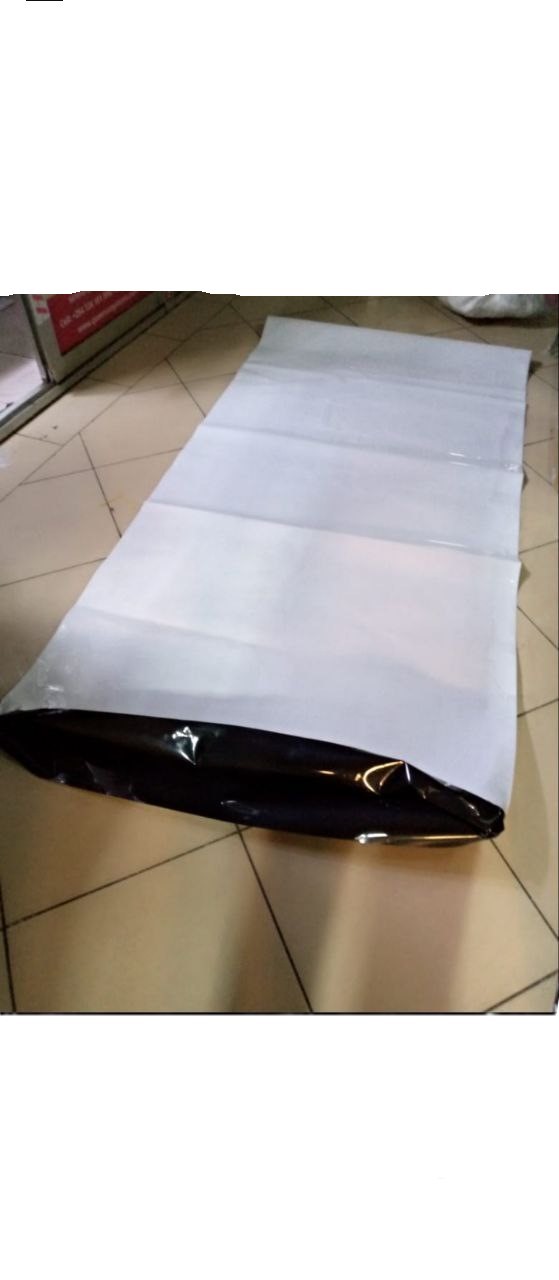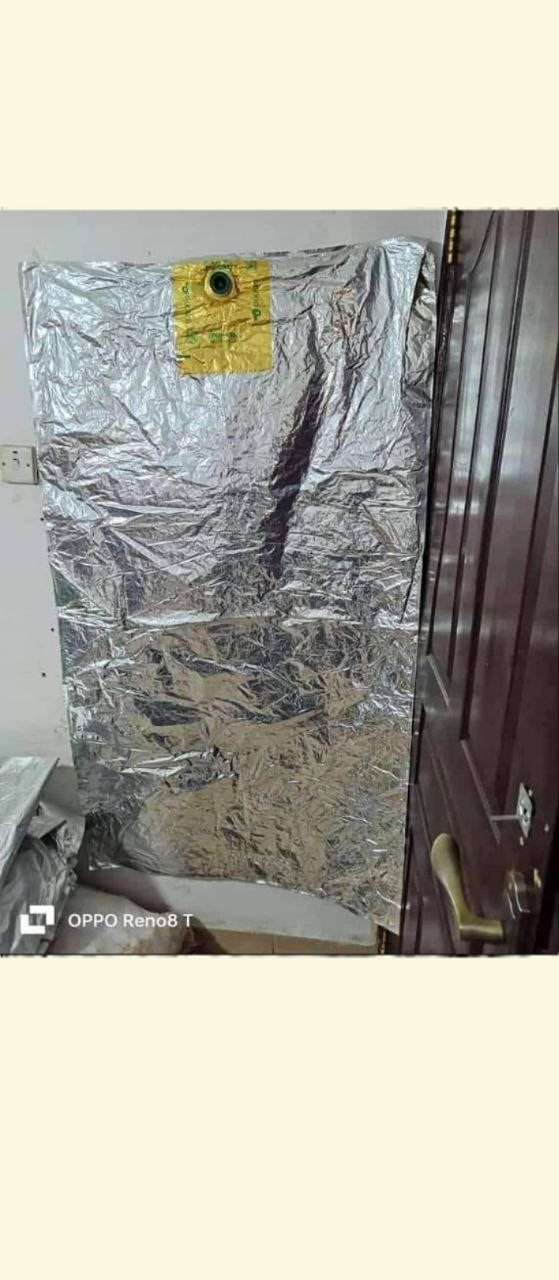
silage bag 200- 250kgs
## 200- 250kgs Silage Bag – Triple Layer Food Grade Oxygen Barrier Silage Storage Bag Preserve the nutritional value of your silage and reduce feed losses with our premium 200kg - 250kg Silage Bag, specially designed for efficient forage storage and long-term feed preservation. Manufactured using food-grade materials, this high-performance silage storage bag provides a safe and reliable environment for storing maize silage, grass silage, sorghum silage, napier grass silage, and other fermented livestock feeds. The bag features advanced triple-layer construction engineered to maximize oxygen blocking performance, helping to create and maintain the anaerobic conditions required for proper silage fermentation. By minimizing oxygen penetration, the bag helps preserve valuable nutrients, improve fermentation quality, reduce mould growth, and extend feed storage life. Unlike ordinary storage bags, this silage bag incorporates a heavy-duty high-gauge outer protective layer designed to withstand handling, transportation, stacking, and farm use. The reinforced outer layer offers excellent resistance against punctures, tears, abrasion, and accidental impacts that can compromise silage quality. This added durability helps prevent perforations that may allow oxygen entry and lead to spoilage, making it a dependable solution for livestock farmers seeking maximum feed preservation. The food-grade inner layers ensure that stored forage remains protected throughout the fermentation process while maintaining feed safety for dairy cattle, beef cattle, goats, sheep, and other livestock. The superior oxygen barrier properties help improve silage stability, reduce dry matter losses, and support higher-quality feed production. Farmers can benefit from better feed conversion, improved livestock performance, and reduced wastage compared to traditional storage methods. Designed for long-term value, the 200kg silage bag is highly durable and can be reused multiple times when properly handled and stored. Under normal farming conditions, many users successfully reuse the bags for more than four silage seasons, making them a cost-effective investment for both smallholder and commercial livestock operations. Whether you are producing silage for dairy farming, beef production, goat farming, sheep farming, or zero-grazing systems, these premium silage bags provide an efficient, economical, and reliable storage solution. ### Key Features * 200kg silage storage capacity * Food-grade construction * Advanced triple-layer oxygen barrier technology * High-gauge outer protective layer * Excellent puncture and tear resistance * Helps maintain anaerobic fermentation conditions * Reduces spoilage and nutrient losses * Suitable for maize, grass, napier, and sorghum silage etc. * Durable and reusable design * Can be reused more than four times with proper handling ### Benefits * Preserves silage quality for longer periods * Zero oxygen infiltration and spoilage * Improves fermentation efficiency * Protects valuable nutrients in stored forage * Supports healthier livestock feeding programs * Lowers feed wastage and replacement costs * Cost-effective through multiple reuse cycles * Suitable for small-scale and commercial farming operations ### Applications * Dairy farming * Beef cattle production * Goat farming * Sheep farming * Zero-grazing systems * Commercial livestock operations * Silage production and storage * Forage preservation programs
The Complete Guide to Silage Bags: Silage Storage, Feed Preservation, and High-Quality Livestock Nutrition
The Complete Guide to Silage Bags: Silage Storage, Fermentation, Feed Preservation, and Livestock Productivity
Silage production has become one of the most important livestock feeding strategies for dairy farmers, beef farmers, goat keepers, sheep farmers, and commercial livestock operations. With changing weather patterns, rising feed costs, and increasing pressure on grazing land, preserving forage through silage making is no longer a luxury—it is a necessity.
A successful silage-making program depends on several factors, including forage quality, moisture content, compaction, sealing, and storage. Among these factors, choosing the right silage bag plays a critical role in determining whether your silage remains nutritious or deteriorates before it is fed to livestock.
The 200kg Silage Bag from Masters Hardwares is specifically designed to provide a practical, durable, and food-safe silage storage solution for livestock farmers. With a capacity of approximately 200kg to 250kg, a height of 1.8 metres, a diameter of 95 centimetres, and a food-grade triple-layer construction, this silage bag helps create ideal conditions for successful silage fermentation.
Whether you are producing silage from maize, Napier grass, sorghum, oats, or other forage crops, selecting a high-quality silage bag can significantly improve feed preservation, reduce spoilage, and increase livestock productivity.
What You Will Learn
- What a silage bag is
- Why silage storage is important
- How silage fermentation works
- Why food-grade silage bags matter
- Benefits of triple-layer silage bags
- How much silage a 200kg silage bag can hold
- How to store silage properly
- Common silage storage mistakes
- Different silage storage options
- Why Masters Hardwares silage products stand out
AI Overview: What Is the Best Silage Bag for Livestock Feed Storage?
A quality silage bag should provide:
- Excellent oxygen barrier protection
- Food-grade construction
- Strong resistance to punctures and tearing
- Sufficient storage capacity
- Reliable long-term performance
The 200kg Silage Bag from Masters Hardwares is designed to meet these requirements through its food-grade triple-layer design, large storage capacity, and durable construction. These features help create an oxygen-restricted environment that supports proper silage fermentation and long-term feed preservation.
What Is a Silage Bag?
A silage bag is a specialized storage container used to preserve forage crops through anaerobic fermentation.
Silage bags are designed to:
- Exclude oxygen
- Preserve nutrients
- Reduce spoilage
- Protect feed from contamination
- Support proper fermentation
When forage is stored correctly inside a silage bag, beneficial bacteria convert plant sugars into organic acids. These acids preserve the feed and maintain its nutritional value for future use.
Common crops used for silage include:
- Maize
- Napier grass
- Sorghum
- Oats
- Wheat forage
- Barley forage
- Mixed forage crops
The success of this preservation process depends heavily on the quality of the storage system used.
Why Silage Storage Matters
Livestock require a consistent supply of quality feed throughout the year.
Unfortunately, forage availability often fluctuates because of:
- Seasonal rainfall patterns
- Drought
- Flooding
- Land shortages
- Climate change
Farmers who depend entirely on fresh forage often face feed shortages during dry periods.
Silage production helps solve this problem by preserving forage when it is abundant.
Benefits of Silage Storage
- Consistent feed availability
- Improved milk production
- Better animal growth rates
- Reduced feed costs
- Reduced feed wastage
- Improved farm profitability
- Better drought preparedness
Without proper storage, however, much of this value can be lost.
This is why choosing a high-quality silage bag is so important.
Understanding the Masters Hardwares 200kg Silage Bag
The 200kg Silage Bag has been designed specifically for livestock feed preservation.
Unlike ordinary storage bags, it is engineered to support successful silage fermentation while protecting feed quality.
Key Specifications
| Feature | Specification |
|---|---|
| Capacity | 200kg – 250kg |
| Height | 1.8 Metres |
| Diameter | 95 Centimetres |
| Material | Food-Grade Plastic |
| Construction | Triple-Layer Design |
| Application | Silage Storage |
| Reusability | Multiple Uses Possible |
These dimensions make the bag practical for small-scale and medium-scale livestock farmers who require manageable silage storage units.
Why Capacity Matters
Many farmers search for:
- silage bag
- silage in bags
- silage bags for sale
- small silage bags
- silage bag price
One of the most important considerations is storage capacity.
The Masters Hardwares 200kg Silage Bag can typically hold between 200kg and 250kg of silage, depending on:
- Forage type
- Moisture content
- Chop length
- Packing density
This makes it suitable for:
- Dairy farms
- Beef farms
- Goat farms
- Sheep farms
- Small commercial livestock operations
Why Food-Grade Silage Bags Are Important
One of the most overlooked aspects of silage preservation is the material used to manufacture the storage bag.
Silage often remains sealed for weeks or months.
During this period, livestock feed remains in direct contact with the inner surface of the storage bag.
Risks of Low-Quality Bags
Low-quality storage bags may:
- Contain undesirable additives
- Degrade over time
- Transfer contaminants
- Tear more easily
- Allow oxygen penetration
When silage is intended for dairy cattle, beef cattle, goats, sheep, or other livestock, feed safety becomes extremely important.
The Advantage of Food-Grade Construction
The Masters Hardwares 200kg Silage Bag is manufactured using food-grade material.
This provides several important benefits:
- No harmful chemical leaching
- Improved feed safety
- Better livestock health protection
- Suitable for long fermentation periods
- Greater farmer confidence
Because silage may remain stored for months, using food-grade materials helps ensure that livestock consume clean and uncontaminated feed.
Why Triple-Layer Construction Makes a Difference
One of the most important features of the Masters Hardwares silage bag is its triple-layer construction.
The effectiveness of silage preservation depends on minimizing oxygen exposure.
Even small amounts of oxygen can cause:
- Mold growth
- Nutrient losses
- Reduced fermentation quality
- Feed spoilage
Layer One: External Protection
The outer layer provides mechanical strength and resistance to handling damage.
This helps protect the bag during:
- Filling
- Transportation
- Storage
- Feed extraction
Layer Two: Oxygen Barrier
The middle layer helps create a strong oxygen barrier.
This is essential because successful silage fermentation requires anaerobic conditions.
Reducing oxygen penetration helps:
- Improve fermentation quality
- Preserve nutrients
- Minimize spoilage
- Extend storage life
Layer Three: Feed Protection
The inner layer provides direct contact with the stored forage.
Its food-grade composition helps protect feed quality during extended storage periods.
Benefits of Triple-Layer Silage Bags
- Better oxygen blocking
- Improved fermentation
- Enhanced durability
- Reduced spoilage
- Greater feed preservation
- Improved livestock performance
For farmers serious about producing quality silage, triple-layer construction offers a significant advantage over ordinary storage bags.
Understanding Silage Fermentation
Silage preservation depends on a natural biological process called anaerobic fermentation.
The word anaerobic means "without oxygen."
Successful fermentation occurs when forage is stored in an oxygen-restricted environment.
Step 1: Harvesting
Forage is harvested at the correct maturity stage.
Step 2: Chopping
The forage is chopped into smaller pieces to improve compaction.
Step 3: Filling
The chopped forage is placed inside the 200kg Silage Bag.
Step 4: Compaction
Air is removed by compressing the forage.
Step 5: Sealing
The bag is sealed tightly to prevent oxygen entry.
Step 6: Fermentation
Beneficial bacteria convert plant sugars into organic acids.
These acids lower the pH and preserve the feed.
The quality of the storage bag plays a major role in determining whether this process succeeds.
Why Oxygen Is the Enemy of Good Silage
Oxygen is one of the biggest threats to silage quality.
When oxygen enters the storage environment:
- Mold develops
- Nutrients are lost
- Feed quality declines
- Spoilage increases
- Livestock performance suffers
This is why purpose-built silage bags outperform ordinary sacks.
The triple-layer construction of the 200kg Silage Bag helps create the oxygen-restricted environment necessary for successful fermentation.
Silage Bags vs Traditional Silage Pits
Many farmers ask whether silage in bags is better than using traditional silage pits.
The answer depends on farm size, available resources, and management practices.
Silage Bags
Silage bags offer several advantages:
- Lower initial investment
- No excavation required
- Flexible storage capacity
- Easier feed management
- Reduced contamination risk
- Suitable for small and medium farms
- Easier transportation
For many livestock farmers, the 200kg Silage Bag provides an affordable and practical alternative to constructing permanent silage pits.
Silage Pits
Silage pits can be effective for large-scale operations but often require:
- Significant construction costs
- More labor
- Larger forage volumes
- Careful drainage management
Which Option Is Better?
For small and medium livestock operations, silage bags often provide:
- Better flexibility
- Lower startup costs
- Easier implementation
- Reduced spoilage risk
This is one reason why many dairy farmers are increasingly adopting silage bags for sale rather than investing in permanent storage structures.
How to Fill a Silage Bag Properly
Even the best silage bag can fail if it is not filled correctly.
Step 1: Harvest at the Right Stage
Forage should be harvested when nutrient levels are highest.
For maize silage, this is often when kernels are at the dough stage.
Step 2: Chop the Forage
Chopping improves:
- Compaction
- Fermentation
- Feed utilization
Shorter chop lengths generally allow better packing.
Step 3: Fill the Bag Gradually
When using the 200kg Silage Bag, fill the bag gradually while compacting each layer.
Step 4: Remove Air
Air is the enemy of successful silage.
Every effort should be made to eliminate trapped oxygen.
Step 5: Seal Immediately
Once the bag is full, seal it tightly.
A properly sealed silage bag helps maintain anaerobic conditions necessary for fermentation.
Step 6: Store in a Safe Location
Store the bag:
- Away from sharp objects
- Away from rodents
- On relatively level ground
- In an area protected from unnecessary damage
Common Silage Storage Mistakes
Many silage failures can be traced back to avoidable mistakes.
Poor Compaction
Insufficient compaction leaves air pockets inside the silage.
This can lead to:
- Mold growth
- Heating
- Nutrient loss
Inadequate Sealing
Even a small opening can allow oxygen to enter.
Overfilling the Bag
Trying to force too much forage into the bag may:
- Damage the bag
- Reduce sealing effectiveness
- Increase spoilage risk
Using Non-Food-Grade Bags
Ordinary sacks are not designed for long-term silage fermentation.
Using a purpose-built food-grade silage bag provides significantly better results.
Physical Damage
Punctures and tears can destroy months of work.
Regular inspection helps identify problems before major spoilage occurs.
Choosing the Right Silage Storage Solution
Different farms require different storage capacities.
Masters Hardwares offers multiple silage preservation options to accommodate varying farm sizes.
200kg Silage Bag
The 200kg Silage Bag is ideal for:
- Small dairy farms
- Goat farmers
- Sheep farmers
- Livestock training institutions
- Farmers beginning silage production
Key Benefits
- Holds approximately 200kg–250kg
- Food-grade construction
- Triple-layer design
- Easy handling
- Suitable for repeated use under proper conditions
400–450kg Silage Bag
For farmers requiring larger storage capacity, Masters Hardwares also offers the 400–450kg Silage Bag.
Benefits
- Larger storage volume
- Reduced number of bags required
- Efficient feed management
- Suitable for larger dairy operations
Best For
- Medium dairy farms
- Growing livestock enterprises
- Farmers producing larger forage volumes
Silage Roll Storage Systems
Commercial silage operations often require even greater storage efficiency.
For these situations, the Silage Roll provides a highly effective solution.
Advantages of Silage Roll Systems
- Excellent oxygen barrier performance
- Professional wrapping quality
- Reduced spoilage
- Suitable for large-scale forage preservation
- Efficient commercial silage production
Ideal Applications
- Commercial dairy farms
- Beef feedlots
- Contract silage producers
- Large livestock operations
The combination of proper wrapping and oxygen exclusion helps preserve forage quality for extended periods.
Comparing Masters Hardwares Silage Storage Solutions
| Product | Capacity | Best For |
|---|---|---|
| 200kg Silage Bag | 200–250kg | Small and medium farms |
| 400–450kg Silage Bag | 400–450kg | Larger farms |
| Silage Roll | Variable | Commercial silage production |
This range allows farmers to select a storage solution that matches their operational requirements.
Why Farmers Choose Masters Hardwares
Masters Hardwares has become a trusted supplier of livestock equipment, silage storage products, ear tags, gas brooders, wool shearing equipment, plumbing products, and commercial farming solutions.
Farmers choose Masters Hardwares because of:
- Quality products
- Practical livestock solutions
- Reliable product availability
- Focus on feed preservation
- Products suited to local farming conditions
- Commitment to livestock productivity
The company's silage products are designed to help farmers reduce feed losses and improve forage utilization throughout the year.
The Link Between Silage Quality and Livestock Productivity
High-quality silage contributes directly to:
- Improved milk production
- Better weight gain
- Enhanced animal health
- Reduced feed costs
- Increased farm profitability
Poorly preserved silage often leads to:
- Reduced feed intake
- Lower milk yields
- Nutrient deficiencies
- Increased wastage
This is why investing in a quality silage storage bag is often one of the most cost-effective decisions a livestock farmer can make.
Frequently Asked Questions
What is a silage bag?
A silage bag is a specialized storage bag used to preserve forage crops through anaerobic fermentation.
How much silage can the 200kg silage bag hold?
The 200kg Silage Bag typically holds between 200kg and 250kg depending on forage density and packing.
Is the silage bag food grade?
Yes. The bag is manufactured from food-grade material to help prevent harmful chemical contamination of livestock feed.
Why is triple-layer construction important?
Triple-layer construction improves durability, oxygen blocking, and feed protection during fermentation.
What are the dimensions of the 200kg silage bag?
The bag measures approximately:
- Height: 1.8 metres
- Diameter: 95 centimetres
Can silage bags be reused?
Under proper handling conditions, silage bags can often be reused multiple times.
What crops can be stored in silage bags?
Common crops include:
- Maize
- Napier grass
- Sorghum
- Oats
- Wheat forage
- Mixed forage crops
How long can silage remain stored?
Properly prepared silage can remain preserved for many months while maintaining nutritional value.
What is the advantage of food-grade silage bags?
Food-grade silage bags help ensure that no harmful substances leach into the feed during long-term fermentation.
Where can I buy silage bags in Kenya?
Farmers can purchase silage storage products from Masters Hardwares, including:
Conclusion
Successful silage production depends on more than simply harvesting and storing forage. The quality of the storage system plays a major role in determining whether feed remains nutritious and safe for livestock.
The 200kg Silage Bag from Masters Hardwares provides a practical solution for farmers seeking reliable feed preservation. With a storage capacity of approximately 200kg to 250kg, a height of 1.8 metres, a diameter of 95 centimetres, food-grade construction, and triple-layer oxygen-blocking technology, it is specifically designed to support successful silage fermentation.
Farmers requiring larger storage options can also consider the 400–450kg Silage Bag, while commercial operations may benefit from the advanced preservation capabilities of the Silage Roll.
By investing in quality silage storage solutions, livestock farmers can improve feed preservation, reduce wastage, maintain animal performance, and build more resilient farming operations throughout the year.
No FAQs yet. Check back later or contact us with your questions.
Related Products